2026-11-20 ·
How Winter Rains Affect Septic Tanks In Pomona
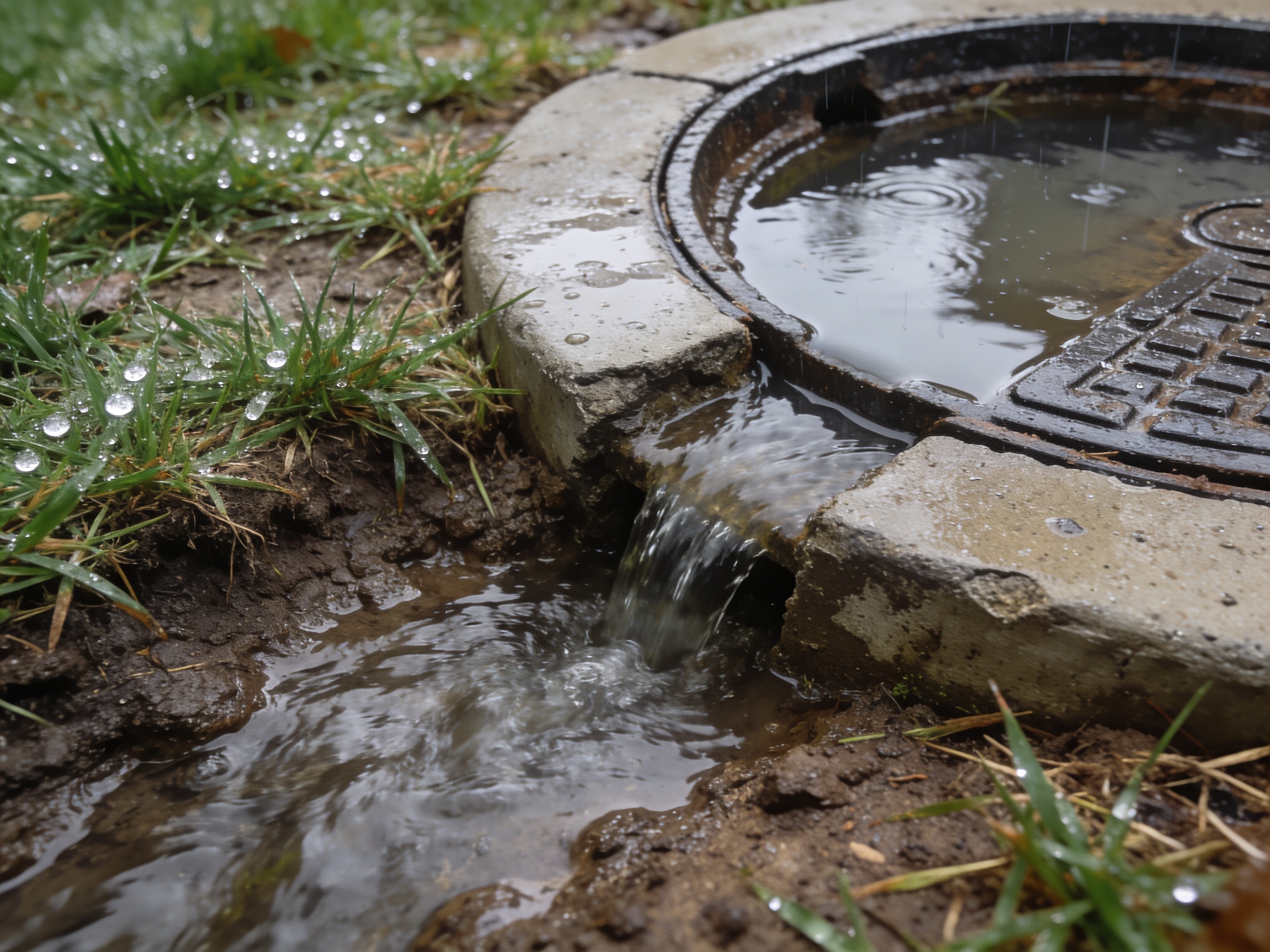
Winter rains in Pomona raise the water table enough to saturate drain fields within 24 to 48 hours of steady precipitation, cutting absorption rates and forcing solids back into tanks in homes built before 1980.
Soil Conditions Around Pomona
Pomona sits on a mix of sandy loam and heavier clay deposits that drain slowly once winter rains arrive. In Phillips Ranch and Westmont, many homes from the 1960s and 1970s still rely on original leach lines set in these tighter soils. When rainfall exceeds one inch over several days, the clay holds moisture and the field stops accepting effluent at its normal rate. This backup shows first as slow drains in the house, then as wet spots near the tank lid. Older systems in Downtown Pomona face the same issue because tree roots from mature landscaping further restrict flow once the ground stays wet for more than a week.
Effects on Drain Fields and Tanks
Saturated fields in Los Angeles County push septic tanks to hold more liquid than designed, shortening the time between necessary pump-outs. Homes near the Pomona Fairplex and California Polytechnic University often sit on smaller lots where replacement fields are not feasible, so any rain-related slowdown becomes a recurring problem. The mild winter temperatures keep bacterial activity steady, yet the extra water volume still overwhelms baffles and outlet filters. Residents in nearby Claremont and La Verne report similar patterns after the same storm systems move through the valley.
When to Schedule Pumping
Systems serving three-bedroom homes in these neighborhoods typically need pumping every 3 to 5 years under normal conditions. After a wet winter, that interval can shrink to 2 years if the drain field shows standing water or the tank level stays high between rains. Checking the outlet filter and measuring sludge depth before spring helps prevent backups during the first hot spell. What Influences Septic Pumping Frequency For Pomona Homes outlines the exact measurements used on site.
Signs That Require Immediate Attention
Gurgling toilets, sewage odors near the tank, or water pooling above the leach lines after rain all point to field saturation. In Ontario and La Verne, crews see these calls increase once cumulative winter rainfall passes four inches. Signs Your Septic System Needs Attention After Heavy Rain lists the exact observations that separate a saturated field from a broken pipe. Early response keeps solids from migrating into the lines and reduces repair costs.
Practical Steps for Pomona Homeowners
Keep roof and surface water directed away from the tank and field with functional gutters and grading. Avoid driving or parking over the leach area once the ground softens. Schedule an inspection through Routine Septic Tank Cleaning & Maintenance before the next rainy season to confirm baffle condition and filter cleanliness. For sudden overflows during a storm, 24/7 Emergency Septic Tank Pumping & Overflow Cleanup crews can remove excess liquid the same day and document levels for insurance records if needed.