2026-11-20 ·
What Influences Septic Pumping Frequency For Pomona Homes
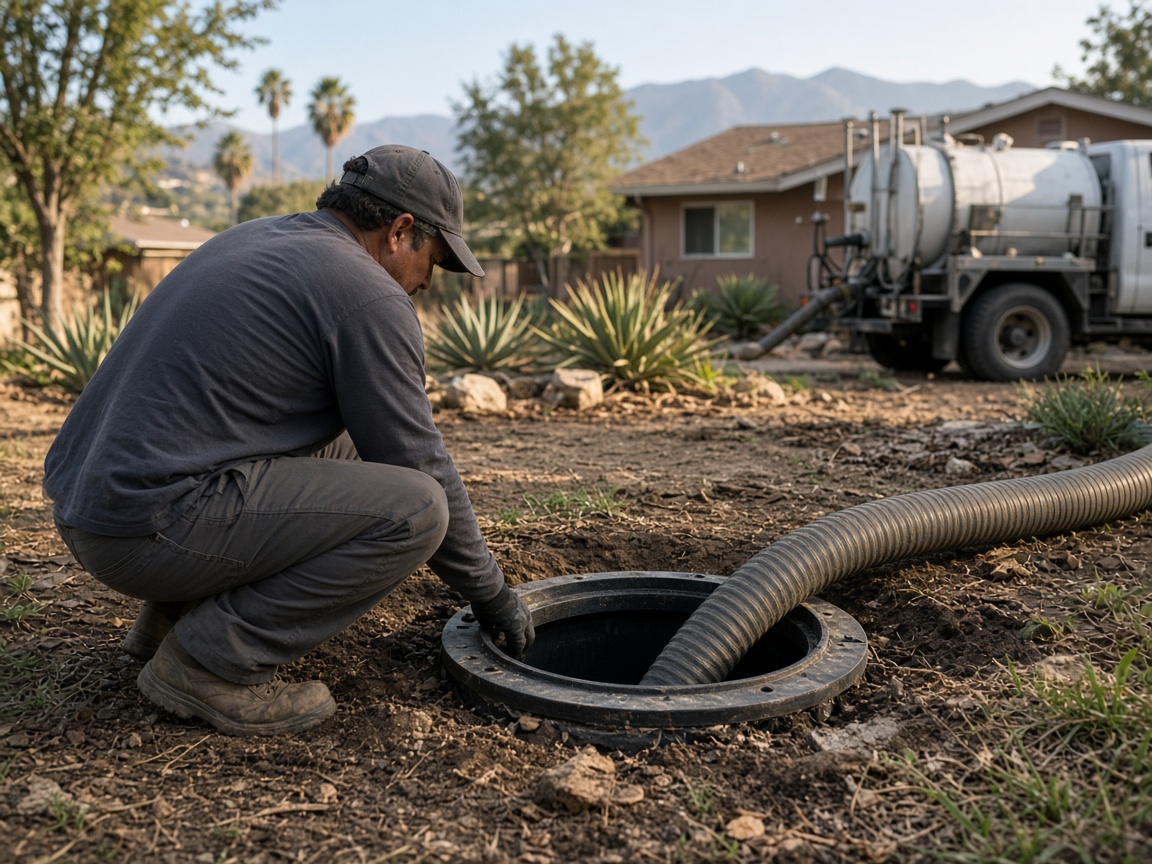
Pomona homes typically need septic pumping every 3 to 5 years. Household size, tank capacity, soil type, and seasonal weather all shift that window in neighborhoods such as Downtown Pomona, Phillips Ranch, and Westmont.
Household Size and Daily Water Use
Larger households in Phillips Ranch often push pumping intervals toward the shorter end of the 3-to-5-year range because more daily showers, laundry loads, and toilet flushes add solids and grease faster. A three-bedroom home with four or five residents can fill a 1,000-gallon tank noticeably quicker than a couple in a one-bedroom unit near the Pomona Arts Colony. Water-saving fixtures help stretch the interval, yet older plumbing common in Westmont still sends higher volumes into the tank during peak summer months when temperatures climb and outdoor use rises.
Tank Size, Age, and Local Housing Stock
Many tanks serving homes built before 1980 in Downtown Pomona hold 750 to 1,000 gallons and have concrete baffles that degrade over decades. These smaller, older systems require closer monitoring than newer 1,500-gallon tanks installed in newer sections of Phillips Ranch. Homeowners near California Polytechnic University frequently discover their tanks were sized for smaller families decades ago, so even moderate water use now shortens the pumping cycle. Checking the tank lid and measuring sludge depth during routine visits reveals when the 3-to-5-year average needs adjustment.
Soil Conditions and Terrain Around Pomona
Clay-heavy soils common in parts of Westmont and near the Pomona Fairplex drain more slowly than sandy loam found closer to Claremont and La Verne. Slower percolation keeps effluent in the tank longer, which can accelerate solids buildup and call for pumping before the standard interval. Sloped lots in Phillips Ranch sometimes direct surface water toward the drain field, increasing the chance of saturation after even mild winter rains. Property owners who know their soil type can schedule Routine Septic Tank Cleaning & Maintenance at the right time rather than reacting to backups.
How Hot Summers and Mild Winters Change the Schedule
Hot summers increase indoor water consumption for cooling and outdoor irrigation, sending extra flow through the tank and shortening the time between pump-outs. Mild winters in Los Angeles County reduce freeze-thaw stress on pipes yet still deliver enough rain to affect systems on flatter lots in Downtown Pomona. The article How Winter Rains Affect Septic Tanks In Pomona explains how even light seasonal moisture can push marginal drain fields past capacity. Tracking these patterns helps residents decide whether to move from a 4-year cycle to every 3 years or stretch to 5 years with careful habits.
Practical Steps to Extend Time Between Pumpings
Track the number of residents and major water-using appliances, then note any slow drains or odors near the tank. Schedule an inspection every 2 years if the home sits on clay soil or serves more than four people. Keep detailed records of past pumping dates and sludge measurements so the next interval can be predicted rather than guessed. When heavy rain arrives, watch for pooling near the leach lines and consult Signs Your Septic System Needs Attention After Heavy Rain for early warning signs. These steps keep most Pomona systems operating cleanly within the typical 3-to-5-year window without unnecessary service calls.